


Raleigh Commute Reality Check: How to Choose a Home Base
Moving to the Triangle can feel like you've unlocked a menu of great options—until you realize your daily drive is the one decision you can't "renovate" later. The good news is that Raleigh's growth has created multiple strong home bases, not just one obvious choice. The trick is matching your lifestyle to the roads you'll actually take, at the times you'll actually drive them. A realistic commute plan can protect your mornings, your budget, and your long-term resale value.
Start with your non-negotiables—then test them against time, not distance. In Raleigh, a "10 miles away" commute can be quick or punishing depending on which side of I-40, I-440, US-1, or I-540 you land on and whether your route funnels into a handful of notorious pinch points. Before you fall in love with a floor plan, map your door-to-door route for a normal weekday morning and evening. Better yet, check it in two-week windows (school in session versus summer, and normal weeks versus big events). If you'll commute to Research Triangle Park, downtown Raleigh, or the airport corridor, a neighborhood that looks close on a map may still require multiple merges and interchanges that add stress every day.

Pick a "commute anchor," not just a city name. Raleigh is part of a network: Raleigh, Durham, Cary, Apex, Morrisville, Garner, Wake Forest, Knightdale, and beyond. Where you work (and how often you're there) matters more than which mailing address sounds right. If your week splits between downtown Raleigh and RTP, the sweet spot for many buyers is an area with quick access to the beltline and the western corridor—without forcing every trip through the same bottleneck. If you're mostly downtown, living closer in can convert commuting time into a morning walk, a gym stop, or extra time with family. If you're hybrid and only commute a few days, you may tolerate a longer drive in exchange for more space, newer construction, or a bigger yard—just be honest about how those "few days" feel when deadlines hit or weather turns.
Think in patterns: school schedules, daycare runs, and "errand gravity." A commute isn't only the route to work. It's also the daily loop: dropping kids off, grabbing groceries, getting to practice, making a quick hardware run, or meeting friends. Some areas shine because they reduce the number of separate trips you take in a week. If you're a household that values spontaneity—coffee runs, parks, short evening outings—being near the places you naturally go can be as meaningful as shaving five minutes off the highway segment. On the other hand, if your ideal lifestyle is quiet evenings and weekends at home, you may prefer a neighborhood where the drive is a single predictable shot rather than a maze of stop-and-go connectors.
Balance lifestyle amenities with the roads that serve them. In the Triangle, a beautiful neighborhood can be separated from your daily life by one congested interchange. When you tour, note where you'll enter and exit major routes, and how many turns and lights stand between you and the highway. Also consider how your preferred recreation fits: greenway access, lakes, community parks, fitness studios, and weekend day trips. A location that makes it easy to enjoy those perks will "feel" better than a technically shorter commute that keeps you stuck in traffic and too tired to use the amenities you moved for.
Three Home-Base Strategies That Work in Real Life
1) The "Close-In Convenience" strategy. If you want more walkability and shorter trips to cultural events, sports, and nightlife, closer-in neighborhoods can be a strong match. The trade-off is often smaller lots, older housing stock, and a more competitive market. The upside is reclaimed time—your weekday rhythm gets simpler, and resale demand often stays steady when proximity is the scarce resource.
2) The "West Corridor" strategy. For many commuters who split time between Raleigh and job centers to the west, positioning near the major connectors can reduce unpredictability. You'll often find a mix of townhomes, established subdivisions, and newer builds. It's a pragmatic choice: not necessarily the cheapest or the most central, but frequently efficient for multi-destination weeks.
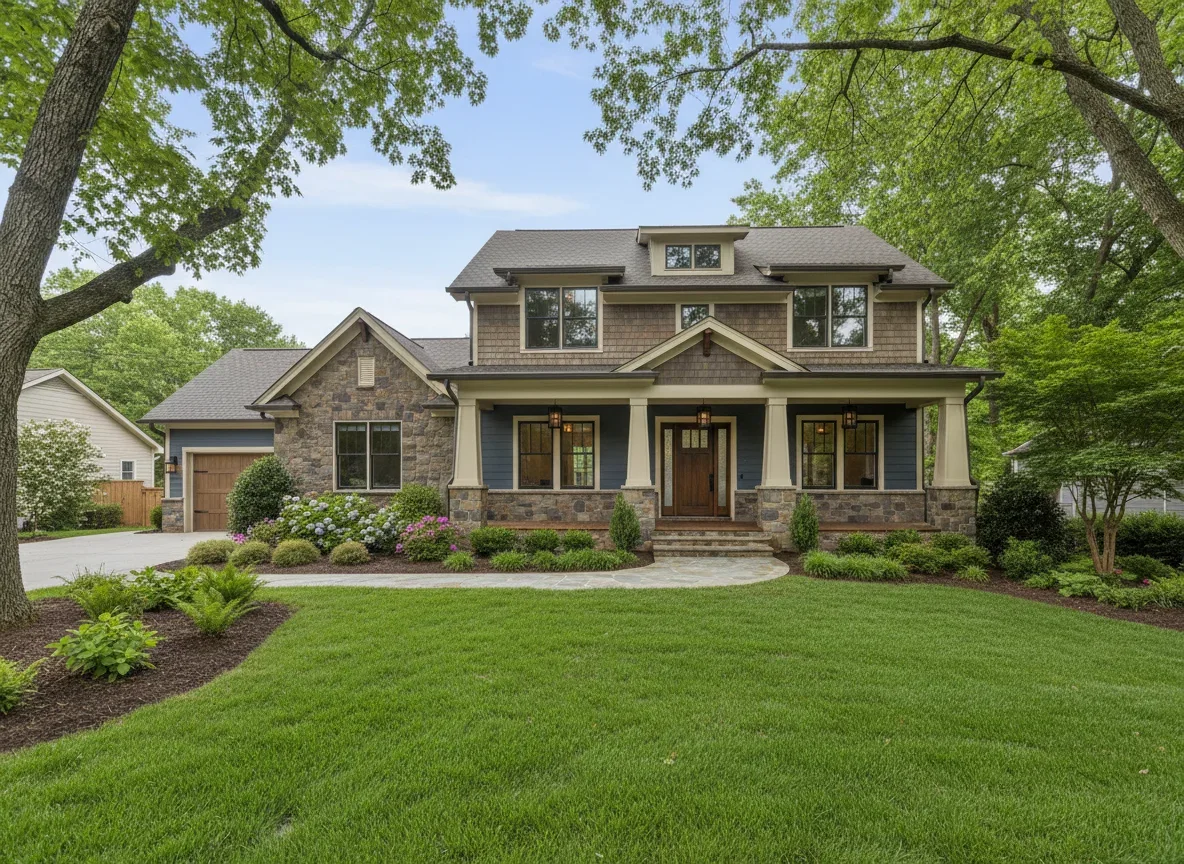
3) The "Space & Newer Homes" strategy. If you're prioritizing square footage, a dedicated office, or a newer community feel, you may look farther from the core. This can be a great fit if your schedule is flexible, you commute at off-peak times, or you're mostly remote. The key is planning for future-you: if your role changes, or in-office days increase, will the drive still be manageable? Buyers who plan that scenario up front tend to stay happier longer.
Pro tip: price the commute like a monthly bill. Time has a cost. Add up what an extra 20 minutes each way means per week, then per year. Some households happily "pay" that cost for space; others would rather invest in proximity. There isn't a universally correct answer—just an honest one. Also factor in vehicle wear, fuel, tolls (if applicable), and the mental load of traffic. The best home base is the one that supports your real routine, not your idealized schedule.
Schools, Resale, and the "Future Commute"
Schools and commute are tied together more than most buyers expect. Even if you don't have school-aged kids, school calendars influence traffic. If you do have kids, the morning and afternoon timing can define your day more than your workplace does. When evaluating a home base, look at the practical logistics: how many minutes to the school, whether the pickup line will collide with your work start time, and how many separate trips you'll run on weekdays.
Resale strength often follows access and flexibility. Homes that sit near multiple corridors and offer options—different routes to different job hubs—tend to appeal to a broader pool of future buyers. Even if you're buying for the long term, it's wise to think about what will be attractive if you ever need to sell: a functional layout for remote work, neighborhood amenities, and a location that doesn't lock you into one stressful commute pattern.

Don't forget the "after work" commute. Many people measure the drive to the office and ignore the drive to the life they want. If your ideal week includes a greenway run, a brewery patio, kids' sports, or meeting friends in a village center, choose a home base that makes those things easy. A neighborhood that reduces friction on weekdays often improves your overall quality of life more than an extra bedroom ever could.
A Simple Checklist Before You Commit
- Map it: Test your commute at peak times for at least two different weekdays.
- Run the full loop: Include school/daycare, groceries, and a typical evening errand.
- Check route redundancy: Can you get home two or three different ways if there's a slowdown?
- Match the house to your work style: Hybrid and remote needs change what "good location" means.
- Plan for growth: Assume traffic will increase and ask if the home base still works.
Choosing a Raleigh-area home base is less about finding the "best" neighborhood and more about building a week that feels calm, sustainable, and enjoyable. If you want a second set of eyes on commute patterns, lifestyle priorities, and how they connect to real inventory, Taylor Realty & Investment Group can help you compare options with a practical, day-to-day lens—so the home you love also fits the life you actually live.